
Internships
Join us in the lush Maya Mountains of Belize for the T.R.E.E.S Internship Program, hosted in collaboration with our partner, the Toucan Ridge Ecology and Education Society. Interns work directly alongside professional biologists and local experts to study bats, birds, reptiles, amphibians, and tropical agriculture. Through guided fieldwork and data collection, you’ll learn key ecological monitoring techniques, contribute to real conservation initiatives, and deepen your understanding of how tropical ecosystems function.
Our internships provide a unique opportunity to live and learn in a working research and education center surrounded by pristine rainforest, rivers, and abundant wildlife. Whether you’re a student seeking field experience, a recent graduate exploring career paths, or a nature enthusiast eager to get involved in conservation, our collaboration with T.R.E.E.S. offers a supportive environment to build your skills and knowledge
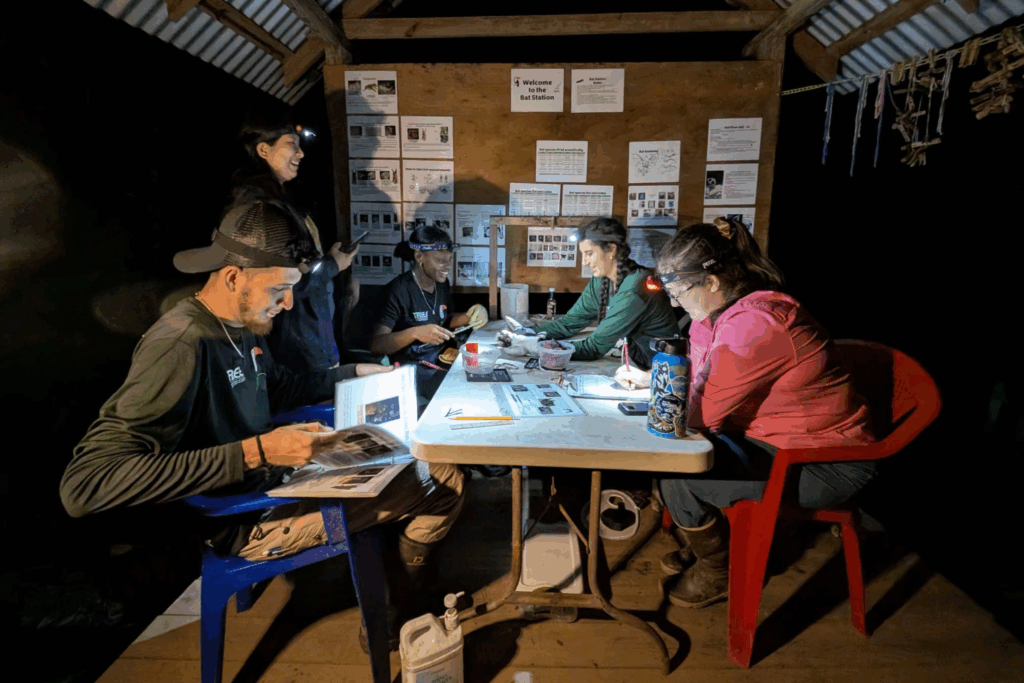
Bat Internship
Bat Internship
Interns gain hands-on experience in tropical mammal research, assisting with bat monitoring and fieldwork under the guidance of professional biologists. Participants learn mist-net setup, safe bat handling, data collection, and database management, while contributing to ecological research and public outreach materials. The program is ideal for individuals interested in improving mammal identification skills and survey methods in tropical environments.
Bat Internship
Location: Toucan Ridge Ecology and Education Society
Open Period: Currently Closed, please contact for more info
Duration: Sessions may be 2 to 5 weeks, with 4 weeks recommended for maximum learning
Hours per Week: 35 – 40
Cost: $289USD/Week
Description:
Experience total immersion in the Maya Mountains of Belize, Central America. This tropical bat research internship could be the final step you need to gain field experience!
No experience necessary, just a love for wildlife and a thirst for knowledge! Preference is given to candidates with a certain level of bat identification and trapping skills. Ideal for biologists/ecologists eager to learn and make a difference in the field. We are looking for individuals interested in improving their mammal identification techniques and appropriate survey methods in the tropics. Work with experts to set up mist-nets, safely handle bats, and contribute to vital ecological research.
⚠️ For this internship, we require that candidates be previously vaccinated against rabies as they will be handling wild bats.
Internship Responsibilities:
– Setting up mist-nets under professional guidance
– Assisting in data collection for bat research and monitoring projects (using mist-nets and recording GPS coordinates of roosts).
– Learning methods for capture and extracting bats caught in mist-nets
– Handling bats for morphometric data collection
– Processing data collected in the field
– Washing cotton bags and managing field equipment.
– Maintaining and updating the database in Microsoft Excel.
– Assisting in repairing mist-nets damaged by bats during captures
– Assisting in updating and engaging on our social media platforms
– Contributing to the production of public outreach material such as posters, pamphlets, or PowerPoint presentations on bats, with the guidance of our bat biologist
Costs:
Cost includes room, board, and training. Discounts available for Latin American, Caribbean, and Belizean citizens.
Application:
For more information on our organization and facilities please visit our website: www.treesociety.org. To apply, please click “Register”. For any questions, please contact jmartinez@treesociety.org.
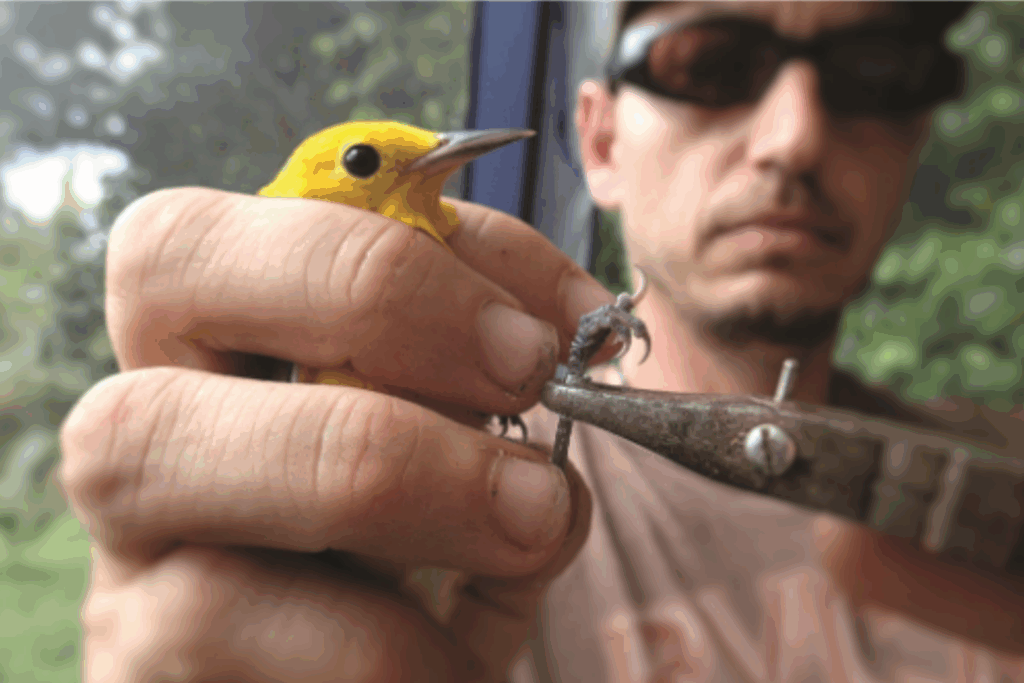
Bird Banding Internship
Bird Banding Internship
This internship offers hands-on experience in tropical ornithology, with interns participating in mist-netting, bird extraction, and banding while learning to identify, age, and sex both resident and migratory species. Participants develop core field skills through surveys and monitoring, alongside experience in data management and equipment care. The program is ideal for aspiring biologists and bird enthusiasts seeking practical research experience and a strong foundation in wildlife ecology.
Bird Banding Internship
Location: Toucan Ridge Ecology and Education Society
Open Period: Open on a rolling basis
Duration: Sessions may be 2 to 5 weeks, with 4 weeks recommended
Hours per Week: 35 – 40
Cost: $289USD/Week
Description:
The Toucan Ridge Bird Observatory, located at the T.R.E.E.S Research Center in the Maya Mountains of Belize, currently has apprenticeship spots open for our Bird Banding Apprenticeship Program. This internship focuses primarily on how to set-up mist-nets, extract passerine birds from mist-nets, learn proper bird banding techniques, learn how to I.D., age and sex tropical resident birds as well as Neotropical migrants, learn proper data entry, and more.
Interns will also learn how to conduct bird transect surveys, point counts, nest searching, and other wildlife sampling techniques. As bird banding is usually done in the morning, there are also smaller side projects to do in the afternoon. There are opportunities to work on different community development projects and farming projects (fruit orchard, livestock, composting etc.).
The internship program is designed to provide an opportunity for the intern to become familiar with various research protocols used in different projects. This diversity will enable the intern to develop a holistic understanding of research methodologies, thereby fostering versatility in the application of these protocols. With interns partaking in data entry after each session in the field for all research projects carried out by them, it highlights the importance of proper data collection in the field and how crucial database management is. Participating in all of these factors into proper training for successful careers in the field of ornithology.
Requirements:
We seek individuals with interests in birds and wildlife ecology is strongly preferred. While prior experience in bird banding is not mandatory, candidates who have previous exposure to bird banding or who express a desire to gain more experience in this field will be given preference. This internship is perfect for budding biologists/ecologists and for birders of any level that wish to pursue a career or education in the field. The internship is meant as a resume and skill builder to help interns get experience in the field.
Participants must have the ability to work well in groups as they will be working closely with field staff and other interns. Interns must also be able to follow protocol and pay attention to detail when collecting and entering data to maintain the integrity of long-term dataset.
Internship Responsibilities:
– Set up mist-nets under the guidance of trained field staff and biologists.
– Extract birds from nets under professional supervision and process the birds at the station to collect data.
– Assist in data collection in the field during the banding session.
– After each banding session, the intern will need to wash cotton bird bags for the next banding session.
– Learn to enter data in a systematic manner after each banding session.
– Maintaining and updating the database in Microsoft Excel.
– Band inventory will need to be done once a week.
– Replenish and clean hummingbird feeders.
– For other avian projects the intern may work throughout the day at regular business hours.
– Interns will assist with creating captions for social media posts to engage and update followers on what has been going on at the banding station and provide updates of various projects.
– Assist in repairing mist-nets damaged by birds during the banding season.
Costs:
The internship fee includes room and board (meals included Monday-Friday), full access to lab equipment, and training by professional on-site biologists. Food is a combination of self-catering in a communal kitchen with ingredients provided as well as prepared meals. Lodging at the research center signifies a shared dormitory-style rustic cabins with other same sex interns with full access to other facilities such as showers, restrooms, and kitchen.
We are hoping to expand our internship program beyond North America. Citizens from Latin America and the Caribbean will be charged at a discounted rate of 50%. Belizeans will get another discount. For more information, kindly email Scandia Cruz with the email provided above.
Schedule:
Banding runs every weekday Monday through Friday, from 5:30 am until 11:00 am. Weekends are free time for interns; therefore, you can do as you please (travel, hike, relax). No refunds on food and lodging will be available if the apprentice decides to leave the station. The intern supervisor(s) will be responsible for designing a schedule with the intern each week that is reasonable and includes work on the various projects.
Apply:
For more information on our organization and facilities please visit our website: www.treesociety.org. To apply, please click “Register”. For any questions, please contact jmartinez@treesociety.org
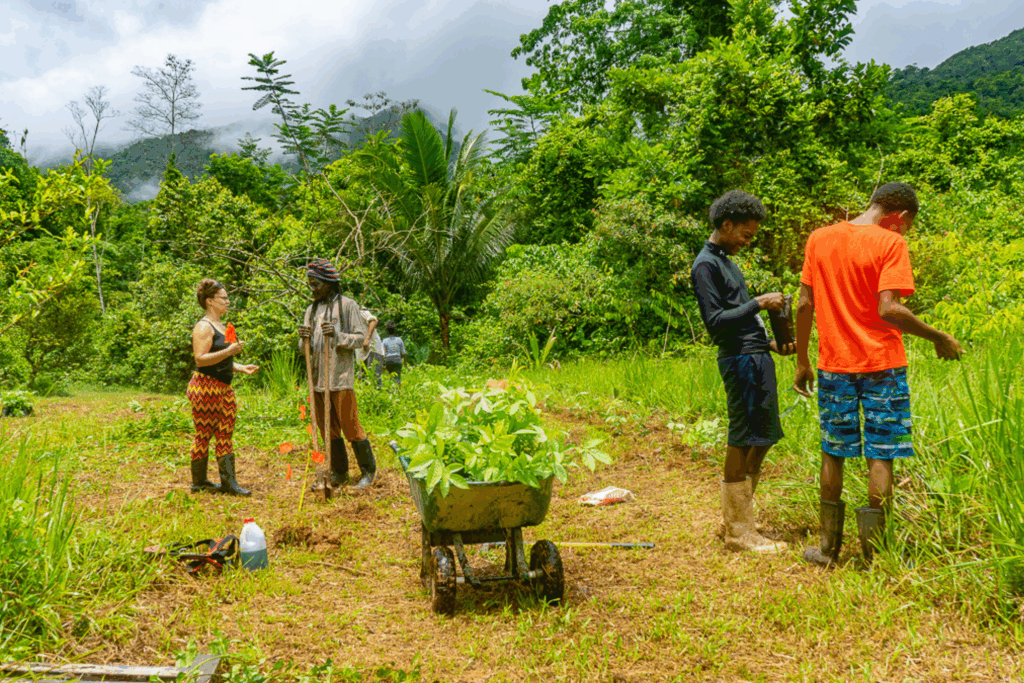
Tropical Agriculture Internship
Tropical Agriculture Internship
This internship provides hands-on experience in tropical organic and regenerative agriculture, with interns supporting daily farm operations such as planting, poultry care, and sustainable practices. Participants learn to improve productivity and biodiversity through applied projects, while gaining experience in farm planning, record-keeping, and yield evaluation. The program also links agricultural work with wildlife and environmental education, making it ideal for students and aspiring agriculturalists interested in sustainable farm management and agroecology.
Tropical Agriculture Internship
Location: Toucan Ridge Ecology and Education Society
Open Period: Open on a rolling basis
Duration: Sessions may be 2 to 5 weeks, with 4 weeks recommended
Hours per Week: 35 – 40
Cost: $289USD/Week
Description:
The T.R.E.E.S Farm has been established as a Farm-to-Table organic operation and regenerative agriculture demonstration farm. Its primary purpose is to serve the original needs of the NGO’s operations which are wildlife conservation through research and education. This is accomplished through the layout of the farm which provides extensive wildlife habitat and foraging opportunities, increasing the local faunal biodiversity as well as acting as an educational demonstration to local subsistence farmers and visiting students.
Interns will learn by assisting in implementation and evaluation of management practices, cropping, and record keeping on the farm with this vision in mind while we endeavor to maximize the products coming from the farm with the existing design and layout using sustainable and regenerative practices specific to the Mesoamerican uplands. Within this broad framework, intern projects can include several basic Agricultural Education disciplines including Tropical Agriculture, Sustainable/organic Agriculture, Farm Management, Waste management, and Agricultural Economics.
In addition to planting crops, we also have free range chickens and ducks for eggs and meat. We are looking to increase our revenue generation from the farm either in the form of increased accountable products entering our kitchen for use in our restaurant, or for sale to the Mobile Market or in a proposed road-side café which would be managed by T.R.E.E.S kitchen and hospitality staff. Thus, interns would also assist us with our marketing strategy for existing products and/or planting.
By the successful conclusion of this internship, the student will be able to apply practical methods for planting and maintaining various typical and exotic tropical crop species, basic free range poultry operations, evaluate different treatments using objective measurements of biomass, yield, and costs/returns, and become familiar with sustainable management practices such as no/low till, cover cropping, waste management, mulching, marketing, Farm-to-Table, etc.
Requirements:
No prior tropical agriculture experience required. Interns can be current undergraduate or graduate students enrolled in a program with their University/College for credit, however non-students can also apply; but preference will be given to students enrolled in an accreditation program. Experienced tropical agriculturalists and/or agroforestry professionals are also welcome and will be treated according to their experience level and are eligible for *discounted rates.
Internship Responsibilities:
– Applying practical methods for planting and maintaining various typical and exotic tropical crop species and basic free range poultry operations.
– Evaluating different treatments using objective measurements of biomass, yield, and costs/returns.
– Work on Inga Alley-cropping and other regenerative cropping practices, and using intercropping, organic fertilizing and pest control practices.
– Assist with innovative marketing strategies for existing products accompanied by reviewing projected budgets for the farm and their products and exploring cost/profit ratios for poultry husbandry.
– Planting and selling new products for the farm.
– Opportunities are available to observe and participate with concurrent intern and wildlife educational activities such as mist-netting, observing and recording measurements of bats, birds, herps, invertebrates, water quality, and much more.
– Interns will assist with creating captions for social media posts to engage and update followers on what has been going on at the field station and various projects that are being done.
Costs:
The internship fee includes room and board (meals included Monday-Friday), full access to lab equipment, and training by professional on-site biologists. Food is a combination of self-catering in a communal kitchen with ingredients provided as well as prepared meals, depending on whether we have other groups on site. Lodging at the research center signifies a shared dormitory-style rustic cabins with other same sex interns. This comes with full access to other facilities such as showers, restrooms, and kitchen. The nature of this program allows interns to carry out most of the work independently after the training period is done. Fees do not include airport transfer, flights, travel medical insurance, or $100 USD visitor permit fee if remaining in country for more than 30 days.
We are hoping to expand our internship program beyond North America. Citizens from Latin America and the Caribbean will be charged at a discounted rate of 50%. Belizeans will get another discount. For more information, kindly email Scandia Cruz with the email provided above.
Schedule:
Interns are required to work for 35 hours/week minimum. The typical schedule runs from Monday through Friday, from 6:30 am until 12:30 pm and 3:30 pm to 5:30 pm. Weekends are free time for interns; therefore, you can do as please (travel, hike, relax). No refunds on food and lodging will be available if the intern decides to leave the station. Projects may sometimes run into the weekend; in which case the days will be returned to them during the week. The intern supervisor(s) will be responsible for designing a schedule with the intern each week that is reasonable and includes work on the various projects.
Application:
For more information on our organization and facilities please visit our website: www.treesociety.org. To apply, please click “Register”. For any questions, please contact jmartinez@treesociety.org.
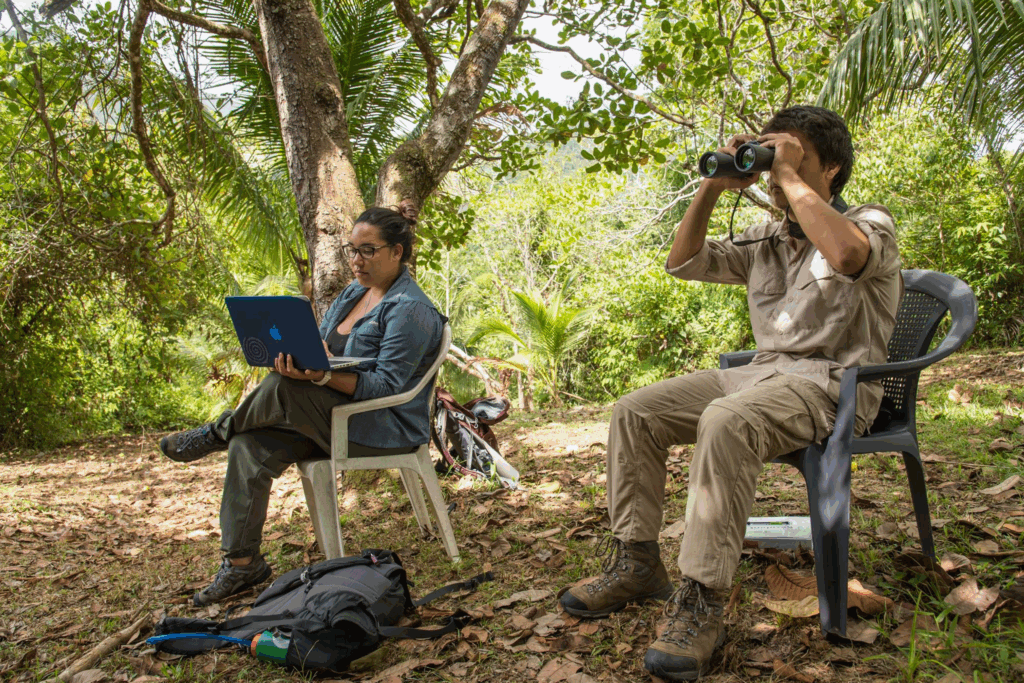
General Wildlife Internship
General Wildlife Internship
Interns gain hands-on experience in wildlife research and conservation in Belize, contributing to projects on birds, bats, mud turtles, herpetofauna, and sustainable agriculture. Participants develop practical skills in field research techniques and species identification all under the guidance of professional biologists. Interns play an active role in real conservation efforts, helping to collect and manage data that informs ongoing projects. The program is ideal for motivated students and wildlife enthusiasts seeking immersive, applied experience in conservation and research.
General Wildlife Internship
Location: Toucan Ridge Ecology and Education Society
Open Period: Open on a rolling basis
Duration: Sessions may be 2 to 5 weeks, with 4 weeks recommended for maximum learning
Hours per Week: 35 – 40
Cost: $334USD/Week
Description:
Internships are held at the T.R.E.E.S Hosting Center, a research and education center in the Maya Mountains of Belize. The center is operated by the Toucan Ridge Ecology and Education Society (T.R.E.E.S), a small grassroots not-for-profit organization whose mandate is to conserve Belize’s natural and cultural heritage through education, conservation, and research. One way in which we meet our mandate is through hosting interns. By training international and local Belizean students in environmental and wildlife management, field research techniques and data collection protocols, knowledge on the biodiversity of Belizean fauna and flora will be gained. This knowledge will then be compiled into peer-reviewed publications, Belizean government reports and regulations, field guides, and other publications that will increase the global visibility of Belizean fauna and flora and aid in their management and ultimately their conservation.
The goal of our internship program is to provide interns with hands-on experience in their field of education, research, or employment under the supervision of professional biologists, while contributing to education and conservation efforts in Belize. These internships are self-directed yet supervised projects in which a short report is to be written and handed to the supervising biologist at the end of the internship session. Many of the post-secondary institutions we work with offer credited internships, but this will need to be discussed with the educational institution where the intern is currently registered. We are happy to provide the required information to the institution so that accreditation is possible.
Once at the station, you are free to help with projects of need at T.R.E.E.S. Many of the desired qualifications, physical requirements, benefits, and terms below are specific to internships we have posted. Contact us today to describe your skillset and timeframe if you are interested in joining our projects.
Qualifications:
We are looking for people with scientific research and writing skills; be able to navigate through peer-reviewed resources and write a basic literature review. Applicants should have a certain level of identification skills and should be interested in improving their techniques for proper identification and survey methods applicable in the tropics. At the field station we work mainly with mud turtles, birds, bats, and herpetofauna. Persons must be comfortable conducting field work at night, sunrise, and under direct sunlight. Should also have knowledge of inventorying and monitoring techniques of the specified taxa.
Preference is given to those who have previous experience working with the specified taxa/topic from our monitoring projects.
Internship Responsibilities:
– Assisting other interns and project managers on other projects in need at T.R.E.E.S, including sustainable agriculture, landscape architecture, gardening.
– Helping with data entry from different monitoring projects.
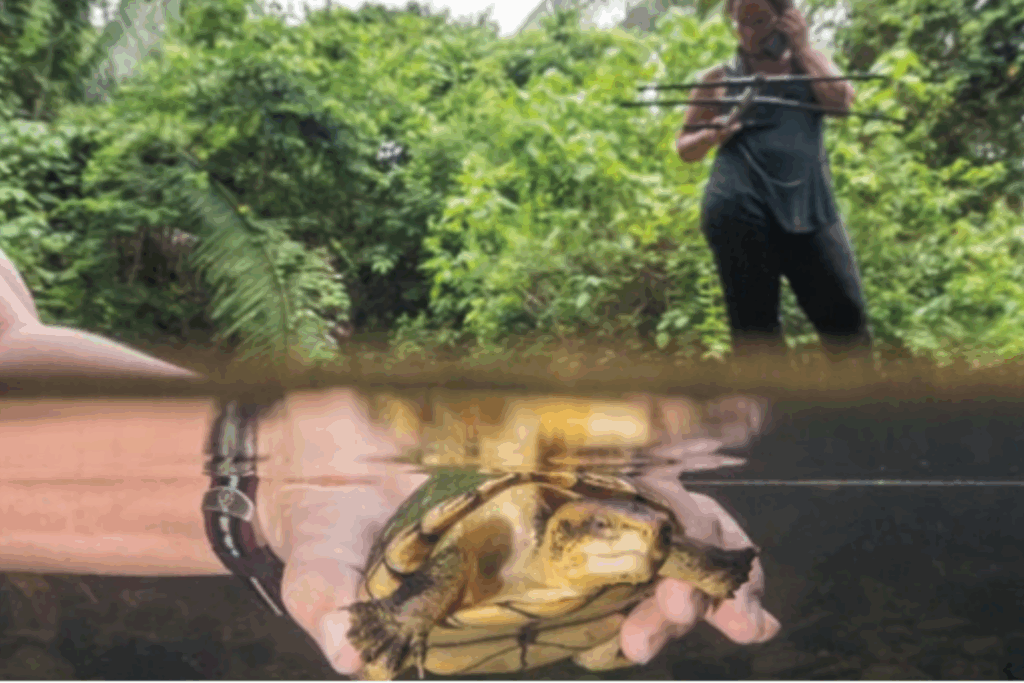
– Lead a White-lipped Mud Turtle movement, habitat use, and response to flooding study using radio-telemetry.
– Proper recording of herp collection data including radio-telemetry movement data.
– Continuing WCOM Project and Nest Survey projects. This includes the preliminary aspects of the projects such as searching for lekking sites and nests of resident birds along specified areas.
– Aiding in organic agriculture, horticulture/landscaping, and trail building/maintenance.
– Assist in grant writing, marketing, hospitality, community development, outreach and education, ESL teaching, and construction.
– For participants with up-to-date rabies vaccine, they may also aid in nights when bat-mist netting is done. Those without can contribute in other ways such as setting up and tearing down mist-nets and collecting data for the bat monitoring project.
– Interns will assist with creating captions for social media posts to engage and update followers on what has been going on at the field station and various projects that are being done.
Costs:
Cost includes room and board (meals included Monday-Friday), full access to lab equipment, and training by professional on-site biologists. Food is a combination of self-catering in a communal kitchen with ingredients provided as well as prepared meals, depending on whether we have other groups on site. Lodging at the research center signifies a shared dormitory-style rustic cabins with other same sex interns. This comes with full access to other facilities such as showers, restrooms, and kitchen. The nature of this program allows interns to carry out most of the work independently after the training period is done. Fees do not include airport transfer, flights, travel medical insurance, or $100 USD visitor permit fee if remaining in country for more than 30 days.
We are hoping to expand our internship program beyond North America. Citizens from Latin America and the Caribbean will be charged at a discounted rate of 50%. Belizeans will get another discount. For more information, kindly email Jamie Martinez at jmartinez@treesociety.org.
Schedule:
Interns are required to work for 35 hours/week minimum. The typical schedule runs from Monday through Friday and during the daytime or nighttime. Weekends are free time for interns; therefore, you can do as please (travel, hike, relax). No refunds on food and lodging will be available if the intern decides to leave the station. Projects may sometimes run into the weekend; in which case the days will be returned to them during the week. The intern supervisor(s) will be responsible for designing a schedule with the intern each week that is reasonable and includes work on the various projects.
Application:
For more information on our organization and facilities please visit our website: www.treesociety.org. To apply, please click “Register”. For any questions, please contact jmartinez@treesociety.org.
Turtle Radio Telemetry Internship
Turtle Radio Telemetry Internship
This internship offers hands-on experience studying the movement and habitat use of White-lipped Mud Turtles through radio telemetry. Interns track turtles across aquatic and terrestrial habitats while collecting GPS, environmental, and water-level data. Participants gain practical experience in field data collection, basic GIS mapping, and ecological research, contributing directly to active conservation efforts. The program is well suited to independent, field-ready students and wildlife enthusiasts interested in herpetofauna research and turtle conservation.
Turtle Radio Telemetry Internship
Location: Toucan Ridge Ecology and Education Society
Open Period: Open on a rolling basis
Duration: Sessions may be 2 to 5 weeks, with 4 weeks recommended for maximum learning
Hours per Week: 35 – 40
Cost: $289USD/Week
Description:
Internships take place at the T.R.E.E.S Hosting Center, a research and education facility in the Maya Mountains of Belize. The center is operated by the Toucan Ridge Ecology and Education Society (T.R.E.E.S), a small grassroots nonprofit dedicated to conserving Belize’s natural and cultural heritage through education, conservation, and research. One way we fulfill this mission is by hosting interns. Through training international and local Belizean students in environmental and wildlife management, field research techniques, and data collection protocols, we contribute to a greater understanding of Belize’s biodiversity.
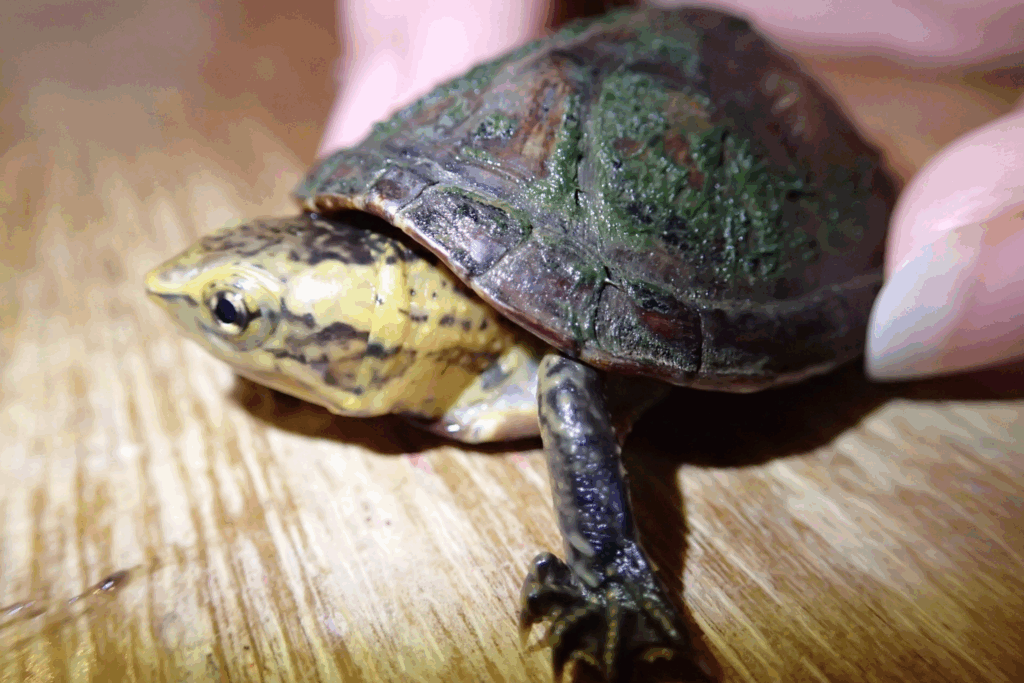
At T.R.E.E.S, the only resident turtle species is the White-lipped Mud Turtle (Kinosternon leucostomum). This internship focuses on using radio telemetry to study the movements and habitat preferences of individual Mud Turtles. We have equipped nine turtles with transmitters, and the intern will track them daily. Recently, T.R.E.E.S documented a Furrowed Wood Turtle (Rhinoclemmys areolata) on the property, the first record of this species in the area. Since this species is typically found in tropical savanna habitats, its presence here is unusual. We fitted the Wood Turtle with a transmitter and incorporated it into our turtle movement and home range study. Additionally, the internship includes monitoring water levels to assess correlations between flooding and turtle movement patterns.
Requirements:
We seek interns who are independent yet collaborative in a team environment. This field-intensive internship involves extensive time outdoors collecting data, often requiring long days in the field. While anyone may apply, preference will be given to applicants with substantial field experience and proficiency in radio telemetry.
Internship Responsibilities:
– Track tagged turtles across aquatic (streams and wetlands) and terrestrial (dense tropical jungle) environments daily.
– Collect and log GPS coordinates, environmental conditions, and turtle behavior data during tracking sessions.
– Set up a water monitoring station on the property’s creek.
– Record water levels in streams to analyze correlations with turtle movement.
– Document habitat characteristics at turtle locations, including water and substrate depth.
– Assist in mapping turtle home ranges and movement patterns using GIS software or other visualization tools if intern has ability to use – ArcGIS software.
– Work both independently and alongside researchers or fellow interns to efficiently conduct field studies.
– Contribute to project reports by summarizing findings, analyzing trends, and discussing potential ecological implications. Depending on involvement in project, may have opportunity to collaborate on future publications.
– Interns will assist with creating captions for social media posts to engage and update followers on what has been going on at the field station and various projects that are being done.
– Engage with local communities or visitors to share insights about turtle conservation and research.
Costs:
The internship fee includes room and board (meals included Monday-Friday), full access to lab equipment, and training by professional on-site biologists. Food is not provided as part of the internship program. Interns can also purchase their own basic food supplies from nearby vendors that can be prepared simply on-site without access to a full kitchen OR interns can order meals from the on-site Toucan Café restaurant that is open daily and caters to all dietary restrictions Lodging at the research center signifies a shared dormitory-style rustic cabins with other same sex interns with full access to other facilities such as showers, restrooms, and kitchen. The nature of this program allows interns to carry out a majority of the work independently after the training period is done.
We are hoping to expand our internship program beyond North America. Citizens from Latin America and the Caribbean will be charged at a discounted rate of 50%. Belizeans will get another discount.
Schedule:
Interns are required to work for 35 hours/week minimum. The typical schedule would include daytime work from Monday to Friday, from 09:00 to 17:00. Weekends are free time for interns; therefore, you can do as please (travel, hike, relax). No refunds on food and lodging will be available if the intern decides to leave the station. Projects may sometimes run into the weekend; in which case the days will be returned to them during the week. The intern supervisor(s) will be responsible for designing a schedule with the intern each week that is reasonable and includes work on the various projects.
Application:
For more information on our organization and facilities please visit our website: www.treesociety.org. To apply, please click “Register”. For any questions, please contact jmartinez@treesociety.org.
Herpetofauna Internship
Herpetofauna Internship
Immerse yourself in tropical herpetofauna research at the Toucan Ridge Ecology and Education Society. Interns gain hands-on experience with frogs and turtles through habitat surveys, visual and acoustic monitoring, capture-mark-recapture, and radio-telemetry tracking. Learn field techniques, data collection, and species identification under professional guidance while contributing to long-term conservation projects and potential scientific publications. Perfect for aspiring biologists and ecologists seeking practical field experience.
Herpetofauna Internship
Location: Toucan Ridge Ecology and Education Society
Open Period: Open on a rolling basis
Duration: Sessions may be 2 to 5 weeks, with 4 weeks recommended
Hours per Week: 35 – 40
Cost: $289USD/Week
Description:
The Toucan Ridge Ecology and Education Society, located in the Maya Mountains of Belize, currently has apprenticeship spots open for our Tropical Herpetofauna Technician Internship Program.
Internships are held at the T.R.E.E.S Hosting Center, a research and education center in the Maya Mountains of Belize. The center is operated by the Toucan Ridge Ecology and Education Society (T.R.E.E.S), a small grassroots not-for-profit organization whose mandate is to conserve Belize’s natural and cultural heritage through education, conservation, and research. One way in which we meet our mandate is through hosting interns. By training international and local Belizean students in environmental and wildlife management, field research techniques and data collection protocols, knowledge on the biodiversity of Belizean fauna and flora will be gained. This knowledge will then be compiled into peer-reviewed publications, Belizean government reports and regulations, field guides, and other publications that will increase the global visibility of Belizean fauna and flora and aid in their management and ultimately their conservation.
The goal of this internship is to give the student various experiences in tropical herpetofauna studies that will aid the student in developing their skills for a variety of future education and employment opportunities. The main component of the project will be to work with Ecorana tutors and T.R.E.E.S staff in establishing long-term herpetofauna monitoring projects (habitat characterization, observational surveys, and mark-recapture specifically for frogs and turtles). These baseline data will contribute to future ecological studies on frog and turtle populations present on the T.R.E.E.S property and elsewhere in the adjacent protected areas in the Maya Mountains.
This training opportunity focuses primarily on herpetofauna (reptile and amphibian) census techniques, including acoustic and visual encounter surveys, turtle radio-telemetry, and amphibian habitat creation as well as other research projects. In the turtle radio telemetry project, interns will be trained in the use of telemetry equipment. They will track the movements of tagged turtles in both aquatic (streams and wetlands) and terrestrial (jungle areas) environments, with a focus on responses to sudden flooding conditions.
Requirements:
We are looking for interns who are independent yet willing to work in a team environment. Applicants should have a certain level of herpetofauna identification skills and should be interested in improving their techniques for proper identification and survey methods applicable in the tropics. Applicants should have a desire for learning about the incredible biodiversity of Belize through systematic field surveys and data collection. This internship is perfect for budding biologists/ecologists of any level that wish to pursue a career or education in the field. The internship is meant as a resume and skill builder to help interns get experience in the field. It will help improve techniques for proper identification and survey methods in the tropics.
Internship Responsibilities:
– Learn tropical herps by sight and sound in the Maya Mountains.
– Learn and perform a variety of herp surveys that will be most adequate to answer project questions, including habitat characterization, visual-acoustic encounter surveys along transect lines and as time-constrained search, capture-mark-recapture, etc.
– Handling of reptiles and amphibians caught and field data collection of size, sex, breeding status, species I.D.; other sampling techniques including swabbing for fungal infection, and various tagging methods for mark-recapture.
– Lead a White-lipped Mud Turtle movement, habitat use, and response to flooding study using radio-telemetry.
– Monitor created habitat for breeding amphibians and conduct population assessments of hatchling mud turtles using funnel traps; maintain created habitat through invasive plant pulling, monitoring of water levels, creative solutions for modified habitat improvement, etc.
– Maintain a captive breeding and head starting Blue-spotted Treefrog population under biosecurity protocols.
– Work with T.R.E.E.S researchers, international collaborators, and other interns on the development of protocol design and write protocols for continuing field work and data collection.
– Implement protocols in the field using the help of T.R.E.E.S staff and Ecorana tutors to find the best places to set-up long-term monitoring locations.
– Be trained in the use of GPS to navigate to and mark survey locations.
– Possibility of mapping frog/turtle habitat using ArcGIS if intern has ability to use ArcGIS software.
– Share knowledge with locals and with other fields.
– Complete a short 4–5-page summary report that will help to establish future research protocols.
– Depending on involvement in project, may have opportunity to collaborate on future publications, therefore learning to enter data in a systematic manner and compile it into a scientific report with introduction and literature review, methods, results (including basic statistical analysis), and discussion using peer-reviewed scientific articles.
– Interns will assist with creating captions for social media posts to engage and update followers on what has been going on at the field station and various projects that are being done.
Costs:
The internship fee includes room and board (meals included Monday-Friday), full access to lab equipment, and training by professional on-site biologists. Food is a combination of self-catering in a communal kitchen with ingredients provided as well as prepared meals, depending on whether we have other groups on site. Lodging at the research center signifies a shared dormitory-style rustic cabins with other same sex interns. This comes with full access to other facilities such as showers, restrooms, and kitchen. The nature of this program allows interns to carry out a majority of the work independently after the training period is done.
We are hoping to expand our internship program beyond North America. Citizens from Latin America and the Caribbean will be charged at a discounted rate of 50%. Belizeans will get another discount. For more information, kindly email Scandia Cruz with the email provided above.
Schedule:
Interns are required to work for 35 hours/week minimum. The typical schedule would include daytime work from Monday to Friday. The work schedule runs from Monday through Friday. The majority of the transect monitoring is done at night from 7:00 pm to 10:00pm. For turtle tracking using radio telemetry, this is done during the day. Other projects such as habitat restoration or maintaining captive breeding grounds are also done during the day. Weekends are free time for interns; therefore, you can do as please (travel, hike, relax). No refunds on food and lodging will be available if the intern decides to leave the station. Projects may sometimes run into the weekend; in which case the days will be returned to them during the week.
The intern supervisor(s) will be responsible for designing a schedule with the intern each week that is reasonable and includes work on the various projects.
Application:
For more information on our organization and facilities please visit our website: www.treesociety.org. To apply, please click “Register”. For any questions, please contact jmartinez@treesociety.org.

Web Design
Focus on how you can help and benefit your user. Use simple words so that you don’t confuse people.
Graphic Design
Focus on how you can help and benefit your user. Use simple words so that you don’t confuse people.

Content Creation
Focus on how you can help and benefit your user. Use simple words so that you don’t confuse people.
QUESTIONS?
Whether you’re curious about features, a free trial, or even press, we’re here to answer any questions.